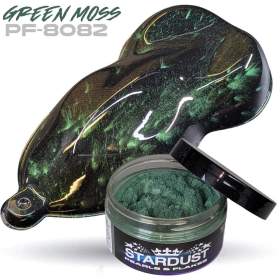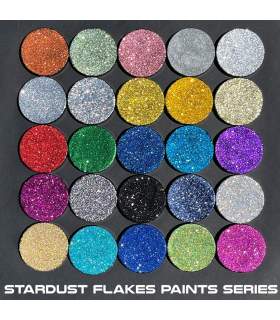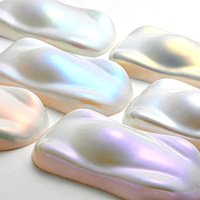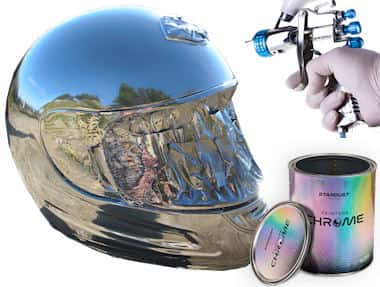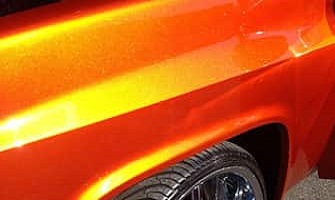









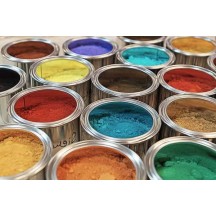
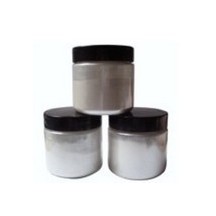
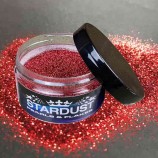
Here are 124 flakes and pearls for bodywork, to be used as a finish in binders or clearcoats. Among the special effect pigments, there are various types of car paint flakes : each of them produces different effects, comes in different sizes and thicknesses, and has a particular composition, a particular carrier material*.
These various pearls and particles, commonly referred to as car paint flakes, are perfectly suited for body paint, as they are water and solvent resistant, UV resistant and temperature resistant.
Each of the types of materials presented below is available in size, color and type.
Take the time to check out the specifics of each pearl to succeed in your body flake painting project and explore new possibilities. Do not hesitate to write to our technical department to ask for advice on your project.
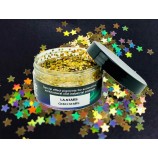
Metal Flakes is the most common product for flake body paint. It is a rather coarse and unsophisticated flake made of polyester, sometimes colored by metallization.
Car paint flake and car paint
The "carrier material" is the specificity of a flake body paint : it is polyester, mica, synthetic micas, aluminum, glass…
One of the major drawbacks of large flakes is their thickness. This defect is non-existent with many of our flakes :
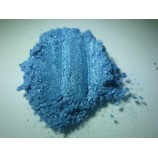
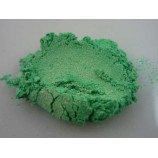
- Interference pearls (synthetic mica) are popular, effective and economical transparent or opaque pearl pigments
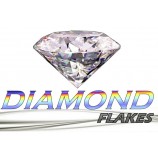
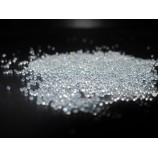
- Diamond pearls and flakes are very high quality pearls (small or large), based on glass (borosilicate), colorless and transparent, producing a colored reflection. They are sometimes used as a flake effect on many car paints.
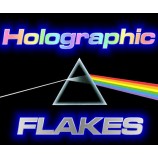
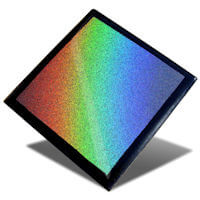
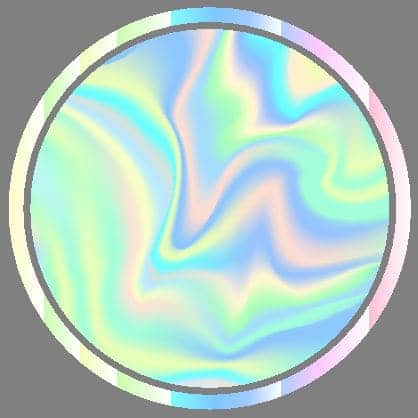
- Holographic flakes are special varieties of prismatic pigments that create rainbow colored reflections.
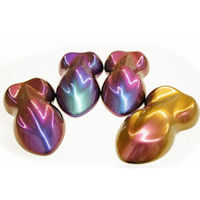
- Iridescent flakes are exotic polyester automotive paint flakes that produce color-changing iridescent highlights.
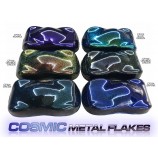
- Cosmic Metal Flakes are transparent and interfering metal flakes : these car paint flakes create "breathtaking" effects alternating between invisible and glittering.
How do you create a glittery paint finish?
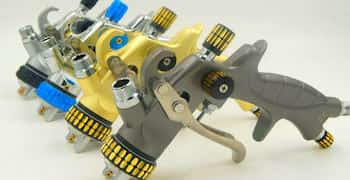
Since there are various types of glitter, there are just as many ways to achieve a glitter effect. Explore our tutorial, which explains all the possibilities and provides a detailed guide on how to create a glittery paint finish. In short, these are fairly simple techniques that can be carried out using a standard paint spray gun. In this tutorial, we review the different types of glitter—such as flakes, diamond, transparent, or holographic—that can be mixed into a clear base or a varnish; this is the simplest method. Many videos show the application of dry glitter, but this is not a practical approach for painting large surfaces. Furthermore, given new regulations regarding microplastics—specifically concerning glitter—it is important to follow proper application methods to prevent glitter from being released into the environment.
How to apply flakes and pearls on a car body ?
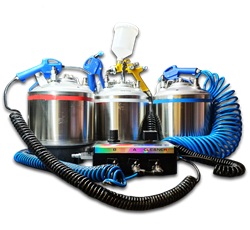
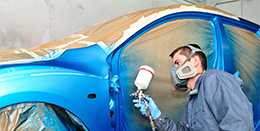
The large flakes of type Metal Flakes are projected on the support by pulverization. These are sometimes done « dry »with a flakebuster by projection on a sticky topcoat. However, we recommend to apply flakes and pearls on a bodywork by simply mixing them in a transparent medium (a binder or a topcoat) to paint them in a conventional way with an adapted paint gun. This method gives less random results and creates less waste of material.
As for light particles such as pearls, only the application by mixing is possible.
Types of flakes and pearls for bodywork
If you are a beginner or if you want to get a nice result easily and without complications, you can ignore all types of body flakes and pearls and be satisfied with the classic flakes.
If one is passionate about this field or frequently makes customized flake paints for customers, it becomes very interesting to know the possibilities and specifics of the existing particles that can create a flake effect. The combinations are infinite thanks to the collections that StardustColors puts at your disposal.
Glitter and anchors for decoration
Mineral and metallic pigments


.jpg)