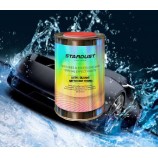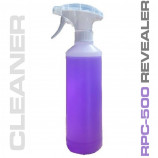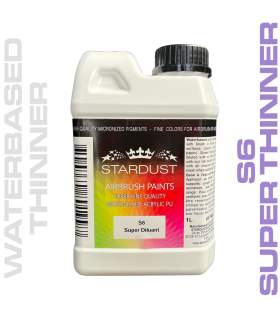









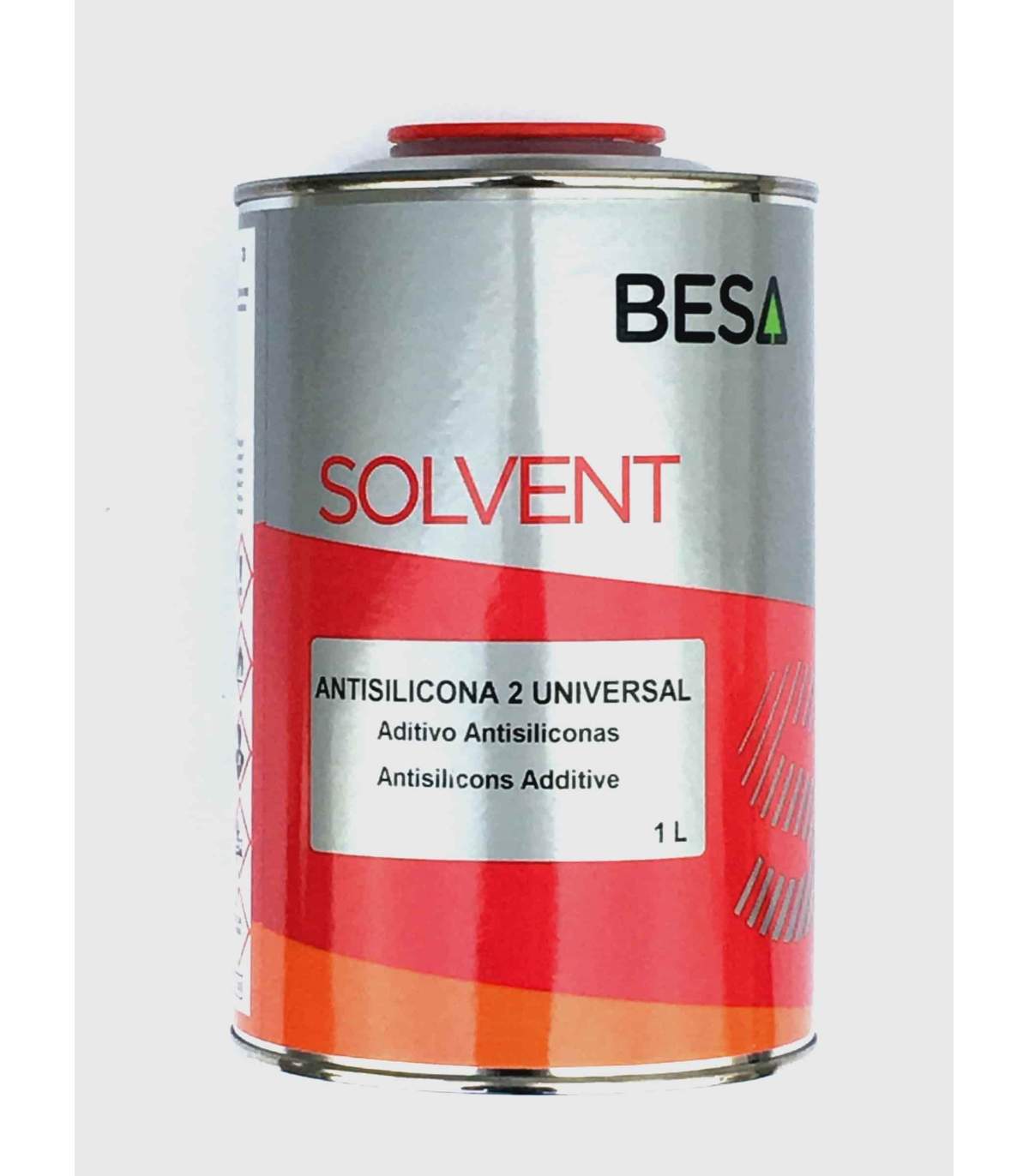
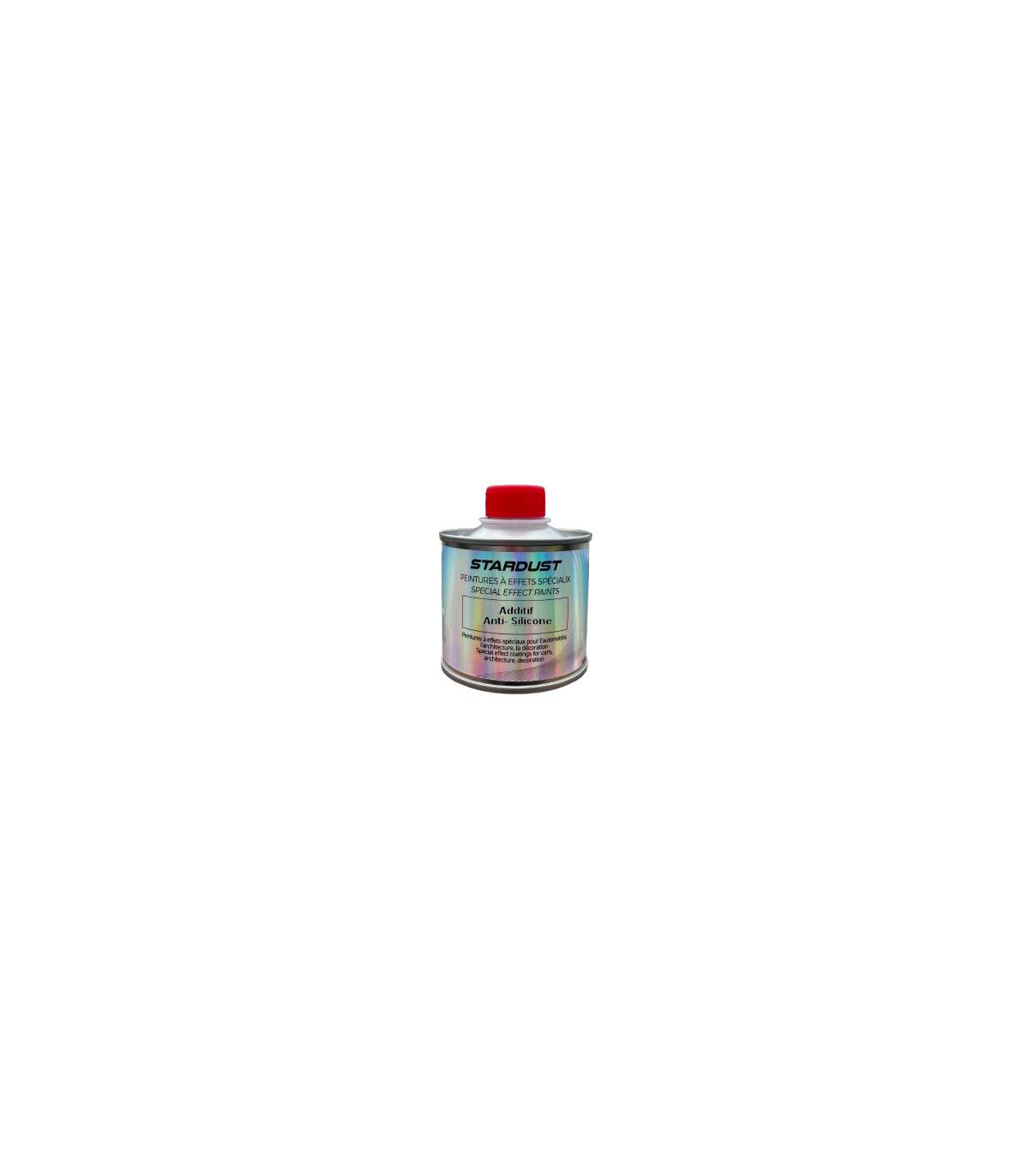

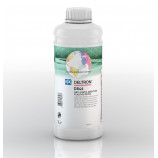
The anti-silicone additive, also known as an anti-crater additive, is a technical product designed to correct surface defects caused by contamination from silicones, oils or greases in automotive paints.
It is used in very small quantities in clear coats and lacquers to improve surface tension and allow the paint film to spread properly. This additive acts quickly to eliminate visible craters after spraying.
Its use is restricted to topcoats and is not recommended in two-coat matt basecoats or primers, as this may affect the appearance or performance of the coating.
Available in 150ml or 1L
In the field of automotive painting, certain surface defects frequently occur when applying varnishes or lacquers. One of the most common is the phenomenon known as cratering, often referred to as the ‘fish-eye’ defect. This problem manifests itself as the formation of small circular craters in the fresh paint film.
The main cause of these defects is the presence of silicone-based contaminants, as well as oils, greases or other hydrophobic substances on the substrate or in the working environment. These contaminants prevent the paint or varnish from spreading properly across the surface.
To solve this problem, professional painters use an anti-silicone additive, also known as an anti-crater additive. This product is designed to alter the surface tension of the paint, thereby improving its wetting properties on the substrate and preventing the formation of craters.
Functional principle
The additive works by improving the spread of the paint or varnish film across the surface. As a result, the applied coat becomes more uniform and can effectively cover areas contaminated with silicone or grease residues.
This type of additive is compatible with various paint systems used in the automotive industry, including:
- synthetic systems
- nitrocellulose systems
- acrylic paints
- solvent-based two-component polyurethane systems
Its role is strictly corrective. It should not be regarded as a permanent solution to compensate for inadequate surface preparation or a contaminated painting environment.
Instructions for use
The anti-silicone additive must be mixed directly into the paint or varnish before application.
The recommended dosage is generally between 1% and a maximum of 3% of the total paint mixture. After adding the additive, the product must be thoroughly mixed to ensure it is evenly distributed throughout the formulation.
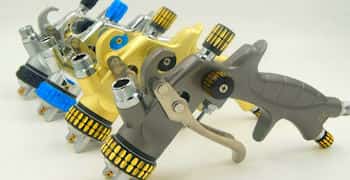
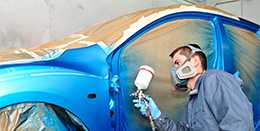
Once mixed, the paint can be applied as normal using a spray gun, in accordance with the usual parameters of the system used.
It is important to adhere to these proportions. Paradoxically, over-dosing may exacerbate surface defects rather than correcting them.
Recommended applications
This additive is mainly used in :
- car lacquers
- topcoats
- solvent-based paint systems used in bodywork
In these final layers, the additive helps to achieve a smooth, uniform surface by eliminating cratering defects caused by contamination.
Applications not recommended
The anti-silicone additive must not be used in certain coats of paint, in particular :
- matt primers for two-coat systems
- primers
In these products, the use of the additive can cause undesirable effects, such as a loss of transparency or cloudiness in the film, which affects the final appearance of the coating.
Recommendations for use and storage
As with any additive intended for use in car paint, this product must be handled using appropriate protective equipment to avoid irritation of the respiratory tract, skin or eyes.
It must be stored in a dry, well-ventilated place, away from direct sunlight, at a recommended storage temperature of between 15 and 30°C.